Last updated · Technics Electricals & Solar
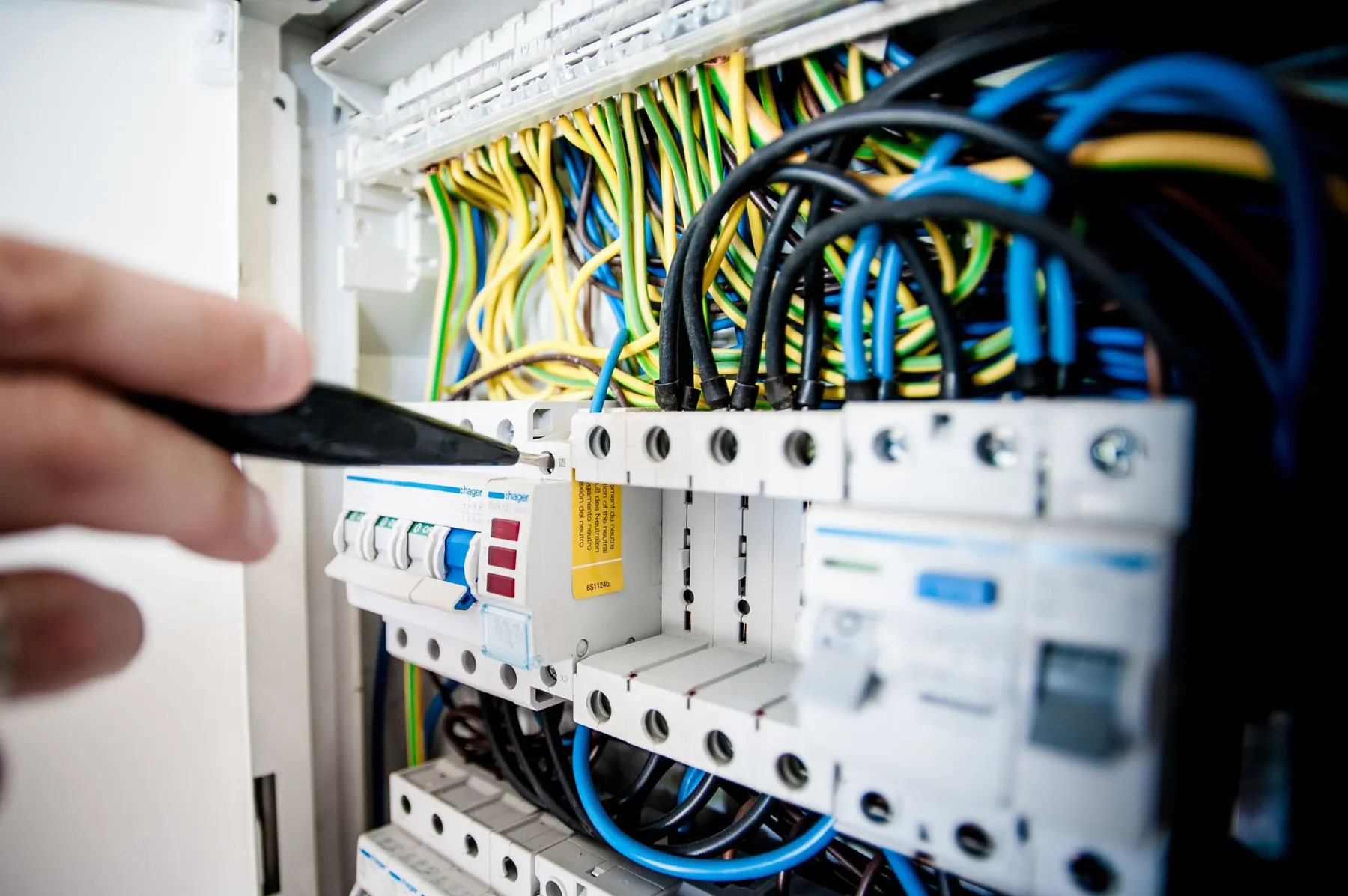
Electrical safety in your home or business begins with the quality of the materials hidden behind your walls. In the local market it is common to find sub-standard cables and fittings that look identical to known brands but don’t have enough copper or proper flame-retardant insulation. Using these counterfeit products is a serious risk: they can overheat under normal loads, leading to short circuits or, in the worst case, electrical fires.
To protect your investment, always inspect the branding and technical details printed on cables, breakers and sockets. Genuine products usually have clear, permanent markings, consistent colouring and a weight that reflects the metal inside. Another red flag is an unrealistically low price: if a roll of cable is far cheaper than elsewhere, it may be copper-clad aluminium rather than pure copper. Copper-clad aluminium has higher resistance, so it runs hotter at the same load.
Buying from a shop that stocks known brands and stands behind what it sells lowers your risk. A good supplier gives you more than a product; it gives you peace of mind that your wiring can handle modern appliances. Whether you are building a new home or renovating an old one, choosing genuine electrical fittings is one of the most effective ways to make your installation last.
Quick checks before you buy
| Item | What to check | Warning signs |
|---|---|---|
| Cable | Size and maker printed along the sheath; copper-coloured right through at a cut end | Silver core, faint or missing print, a very low price |
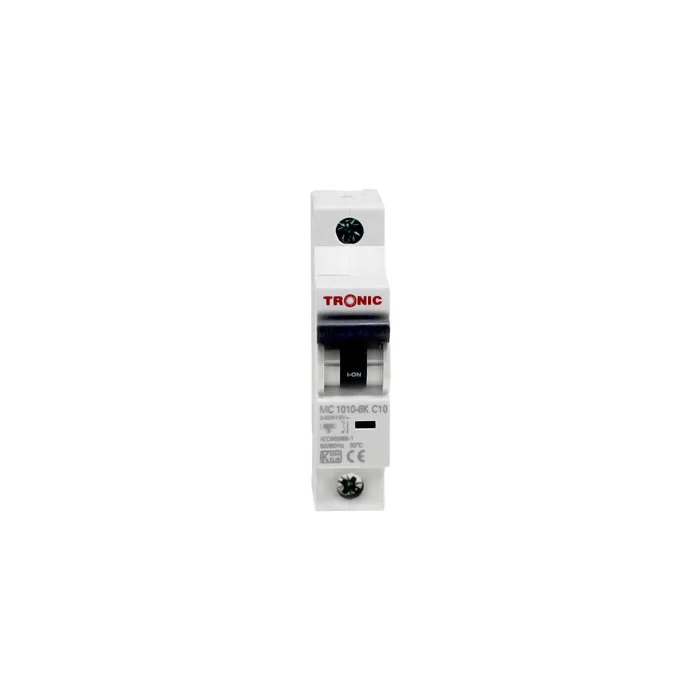
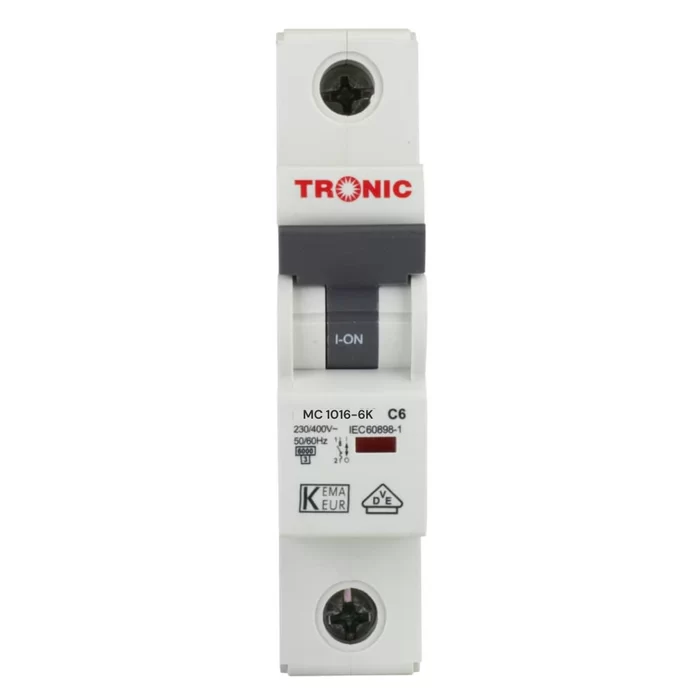
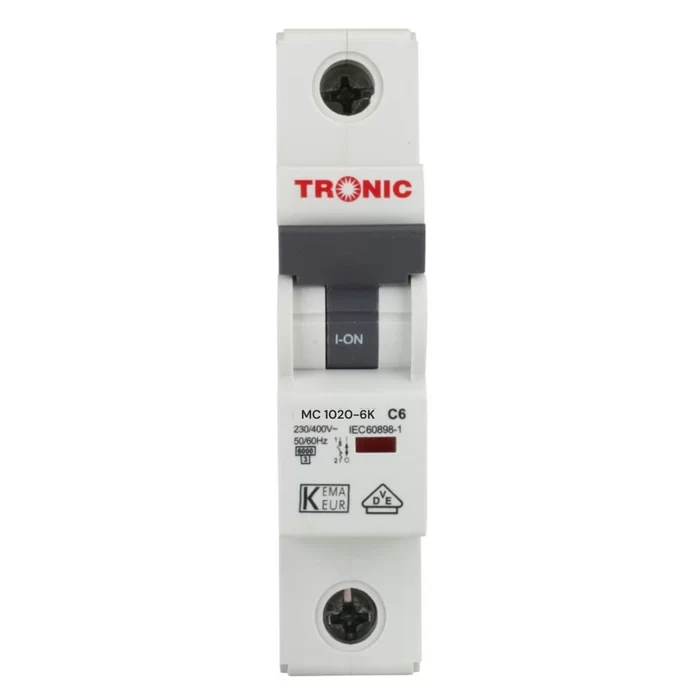
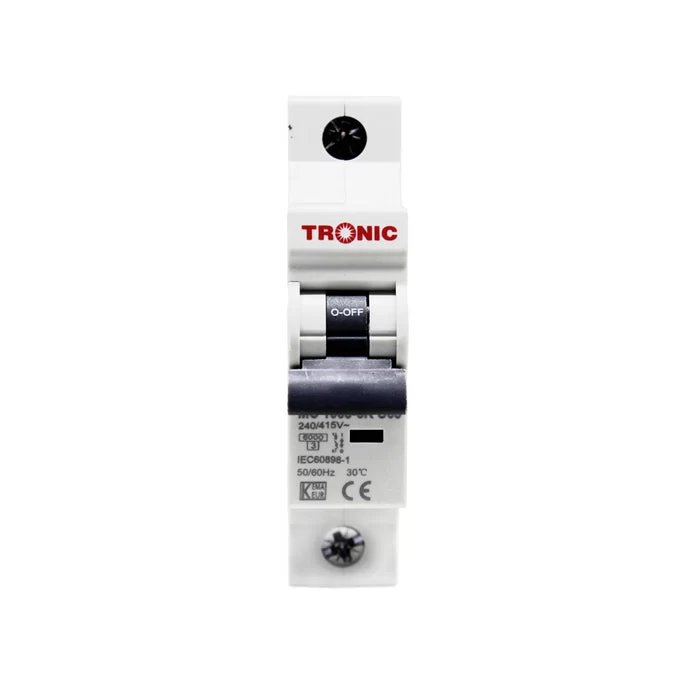
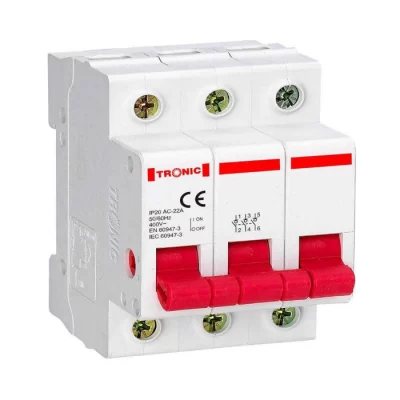
| Breakers (MCBs) | Clear rating (for example 32A), brand and standard; a firm switch action | Smudged print, a loose toggle, very light weight |
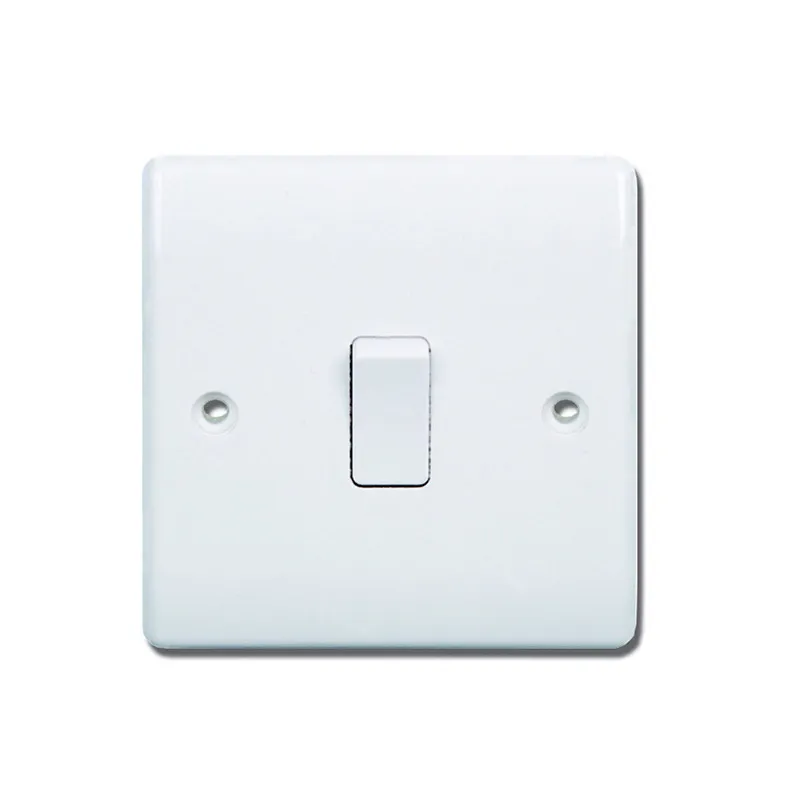
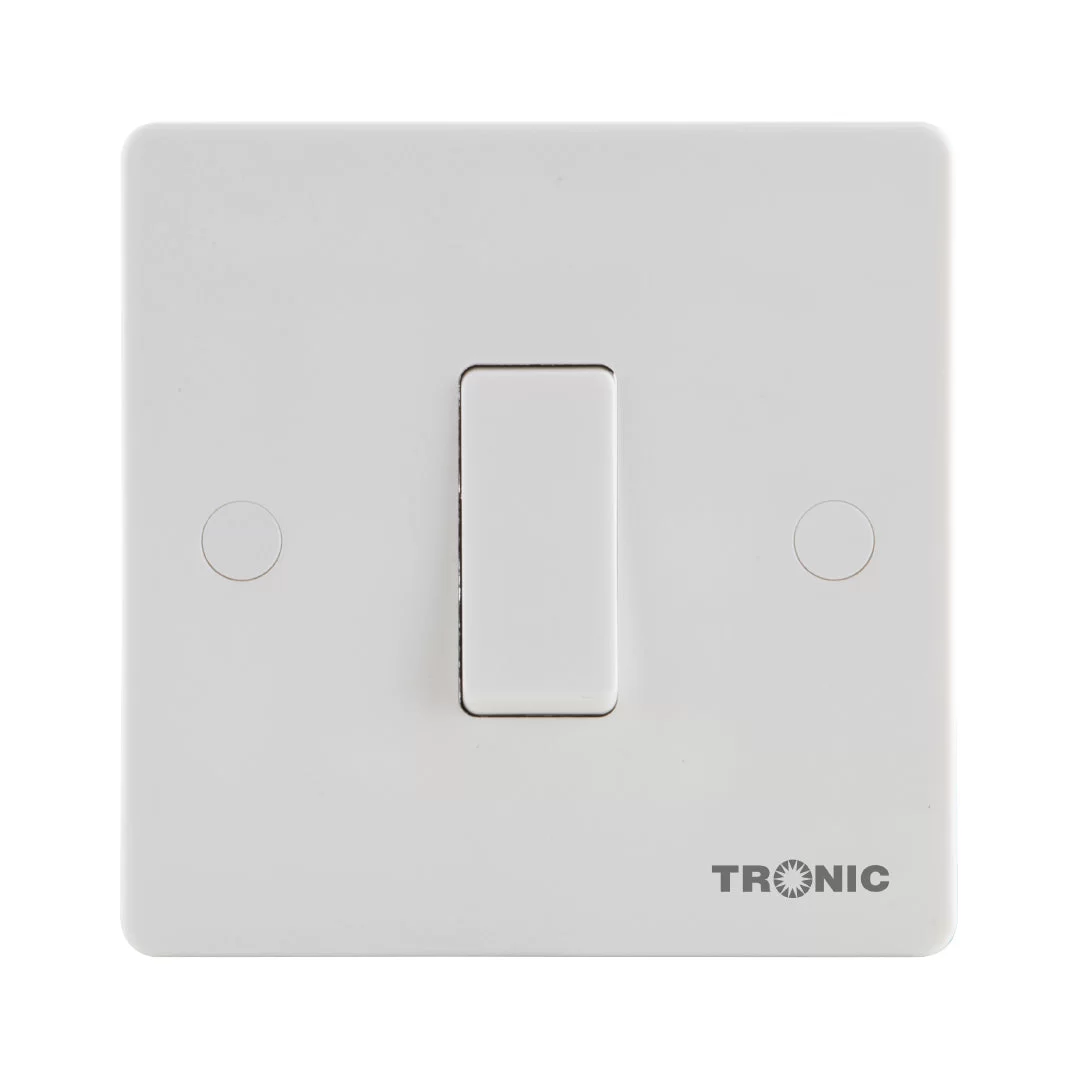
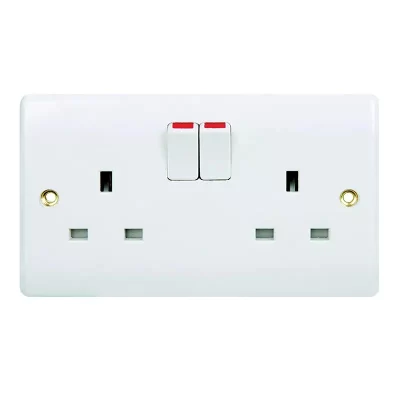
| Sockets and switches | Rating (13A for sockets), solid terminals, firm shutters | Thin metal parts, rough plastic seams, a wobbly switch |
Key points
- Check markings, weight and price together; one red flag is enough reason to ask questions.
- Ask your electrician to confirm the materials before they go into the wall.
- A burning smell, a warm faceplate or scorch marks on an existing socket mean: switch off at the breaker and call an electrician.
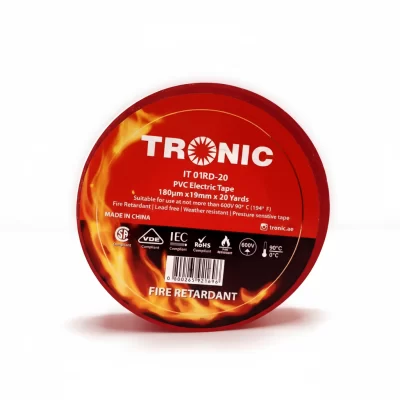
Our counter at Mathathi Building, Kiserian stocks Tronic, Carl & Gilbert, Powermax, Coslik, Windsor and Metro fittings. WhatsApp your list to Technics Electricals & Solar on +254 719 626200 and we will confirm stock and the total.